01 / BRIEF
Define Your Requirements
Share the application, reference images, dimensions, target quantity and appearance requirements.
Share the application, reference images, dimensions, target quantity and appearance requirements.
Review structure, materials, tooling and assembly details, and identify what needs validation.
Develop samples under the agreed plan and review dimensions, appearance and functional requirements.
After sample and specification approval, agree on quantities, quality requirements, packaging and delivery.
Forming, machining and inspection workflows. Some photographs show comparable equipment for reference; equipment configuration and project requirements are confirmed separately.
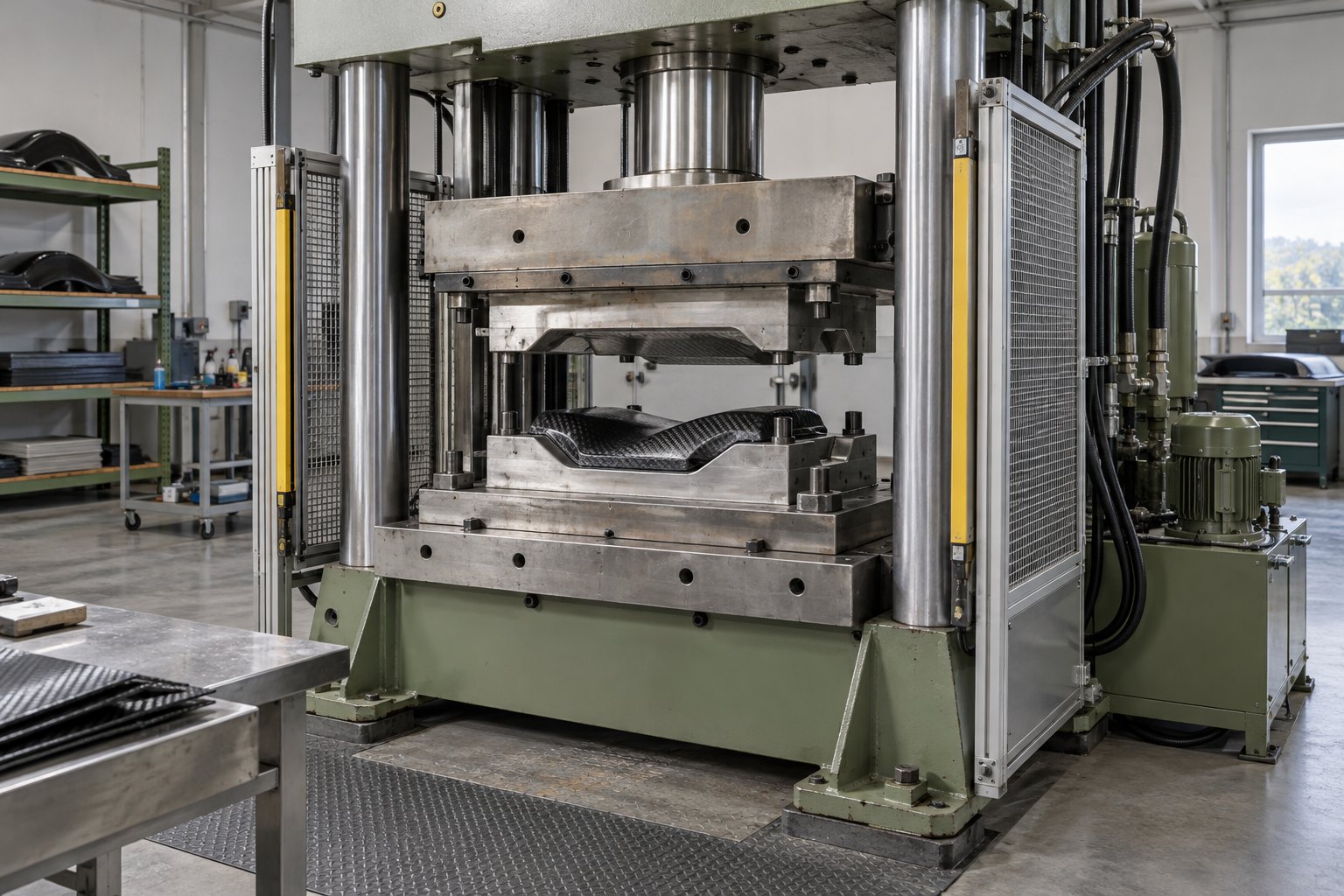
Heated tooling and press forming, planned around the part geometry and material system.
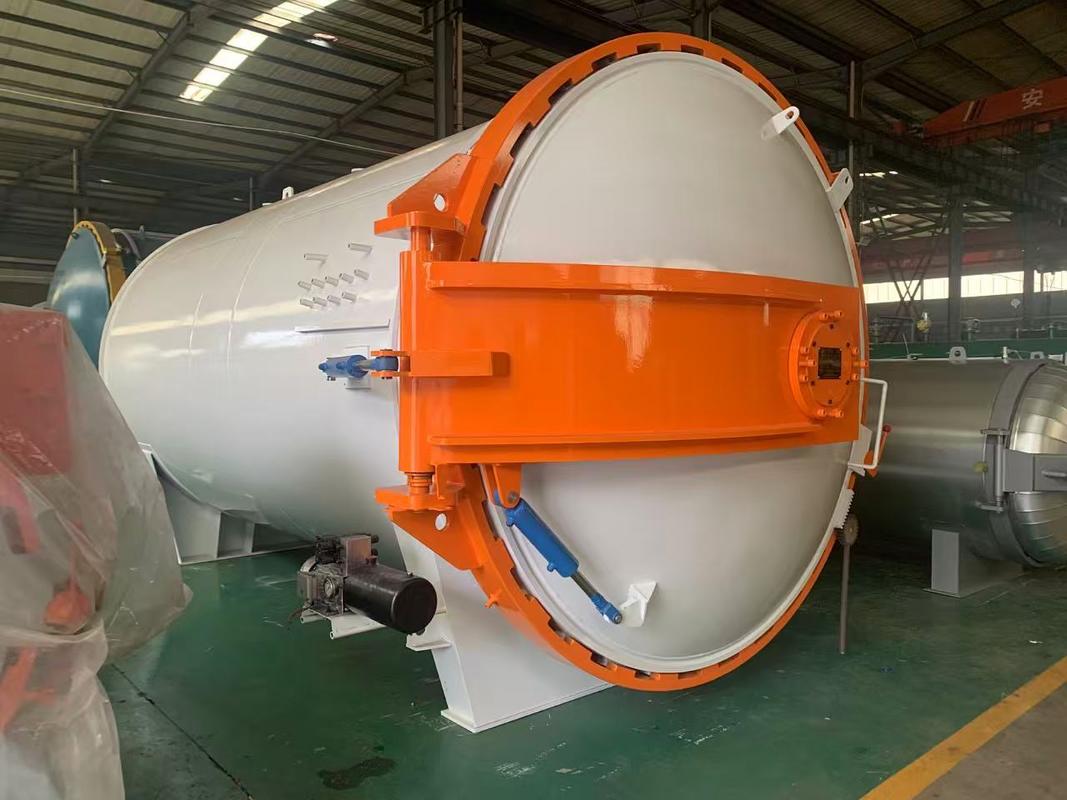
Heat, pressure and vacuum are combined for composite curing. The photograph shows comparable equipment for reference.
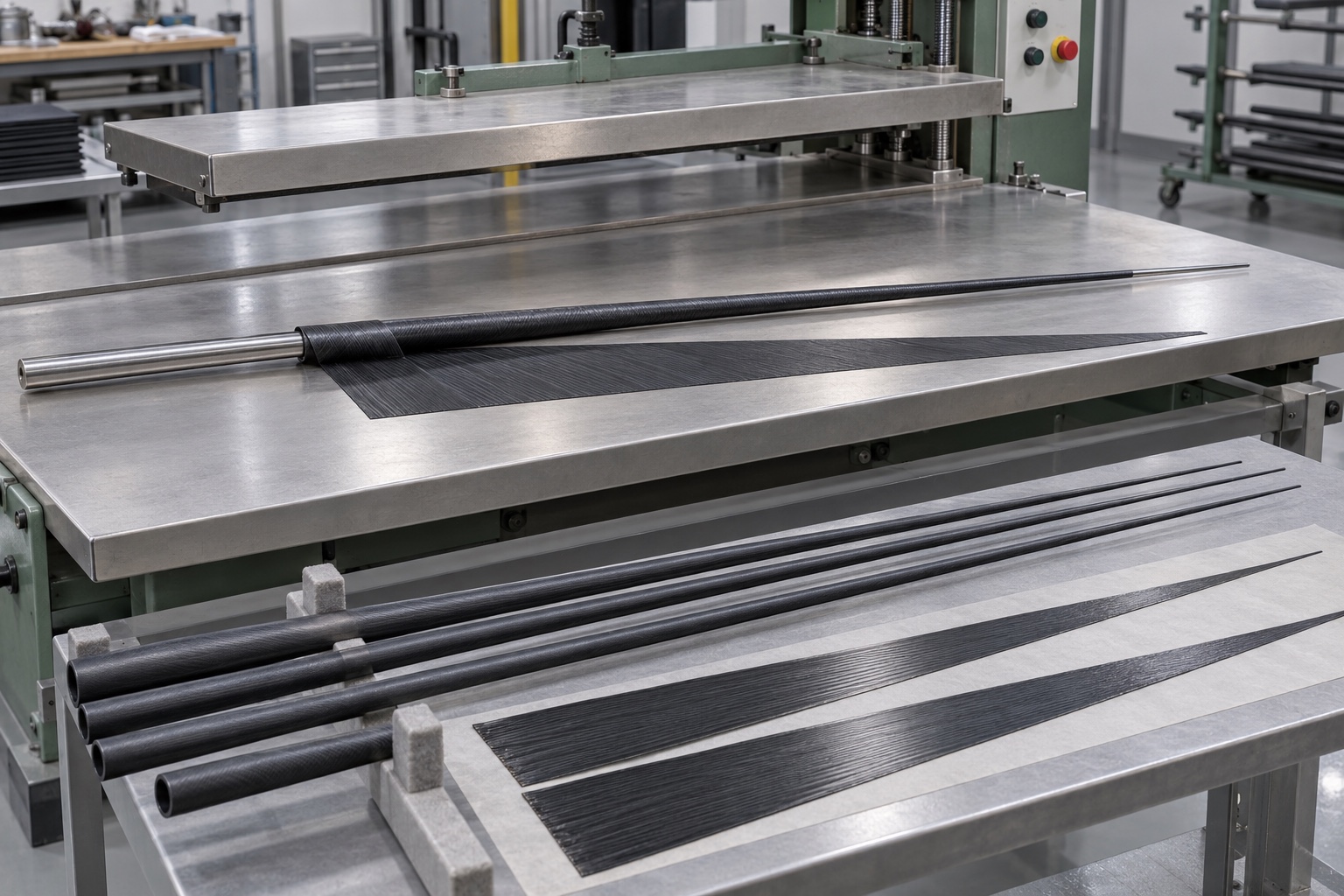
Using fishing-rod blanks as a process example, pre-cut carbon prepreg is pressure-rolled around a slender tapered mandrel. Layup and blank structure are confirmed for each project.
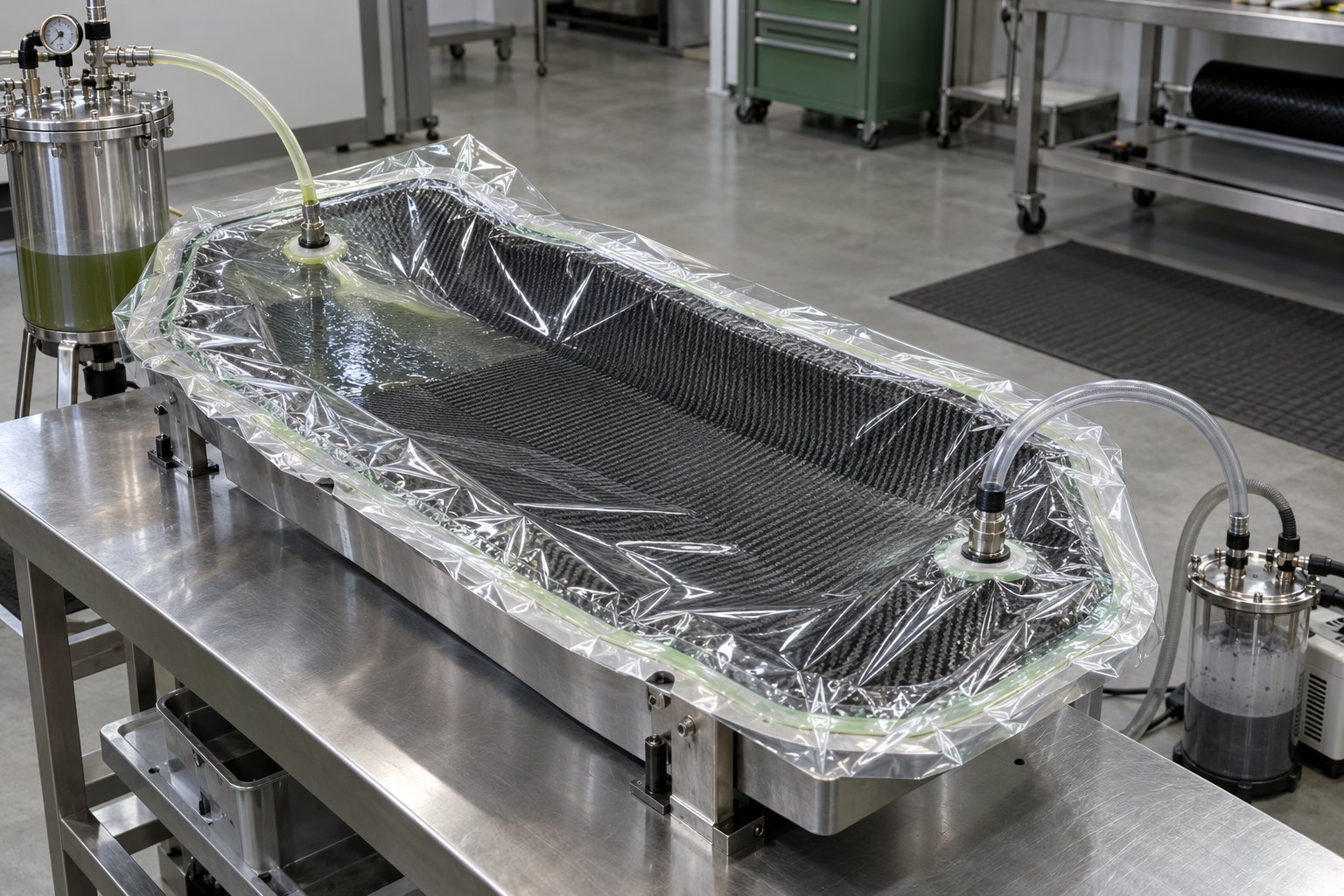
A sealed mold, resin inlet and vacuum outlet illustrate the infusion setup.
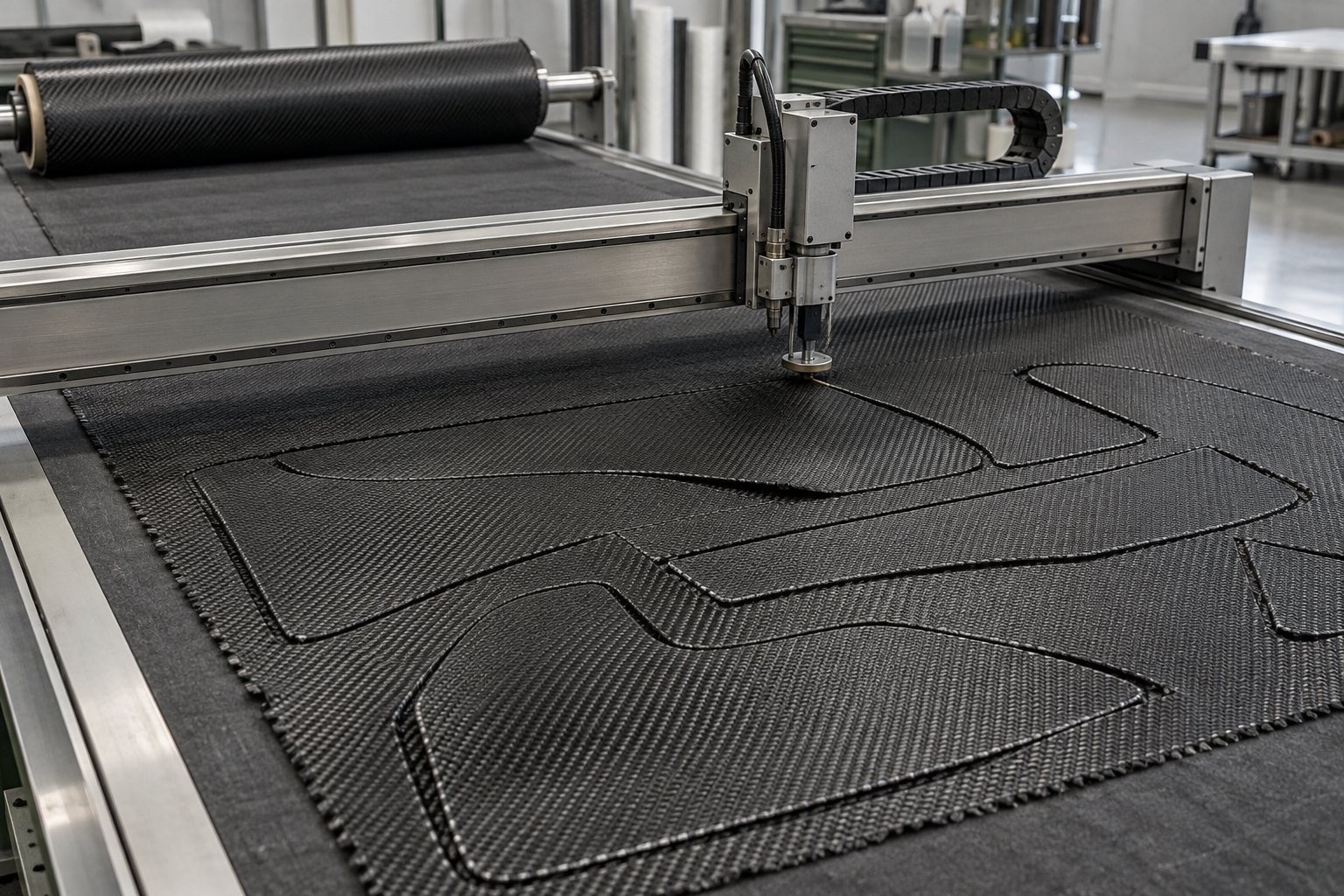
Sheet-material preparation and cutting patterns before layup.
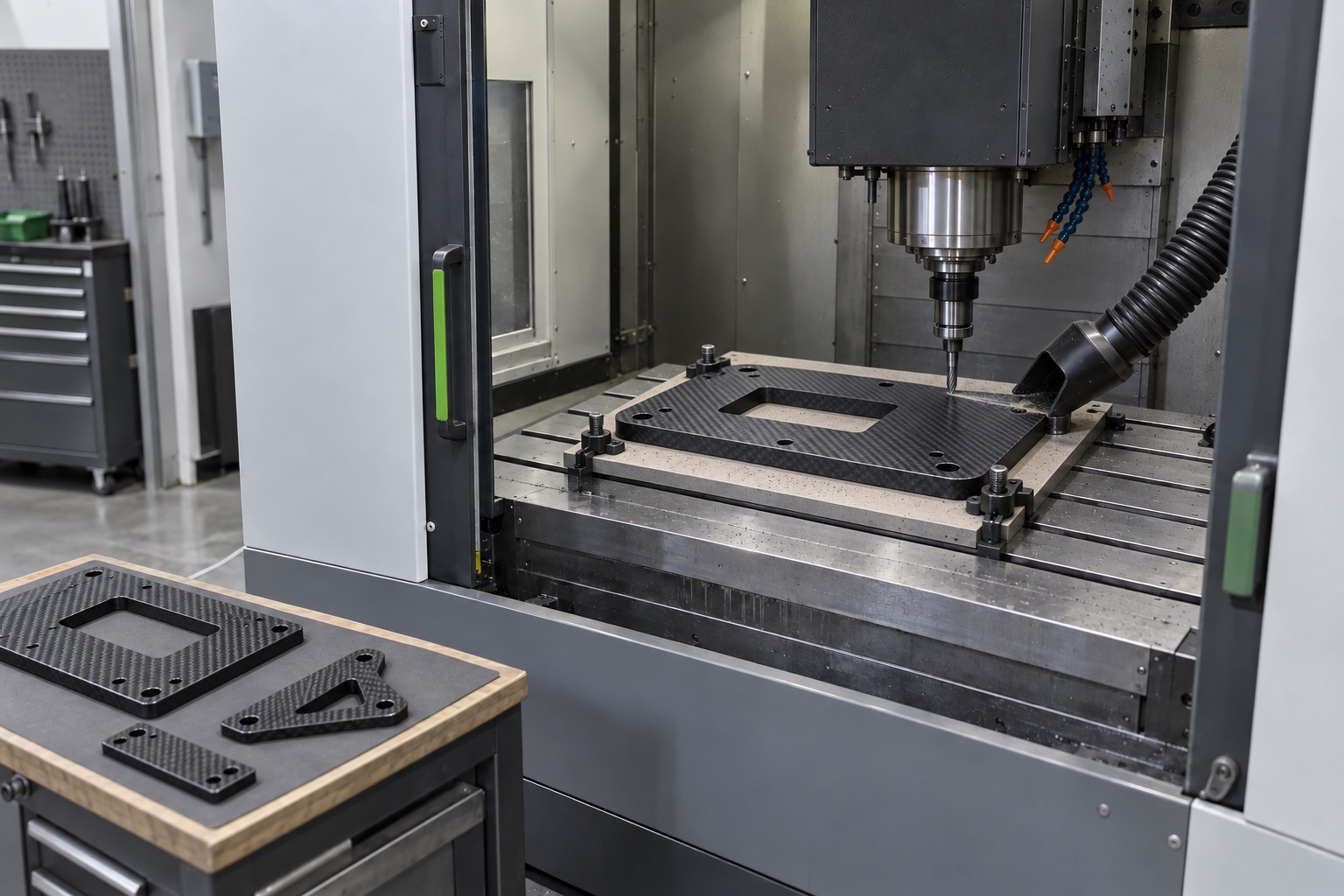
Milling, drilling, slotting and edge trimming of cured carbon fiber parts, with dimensions and assembly interfaces defined by the drawing.
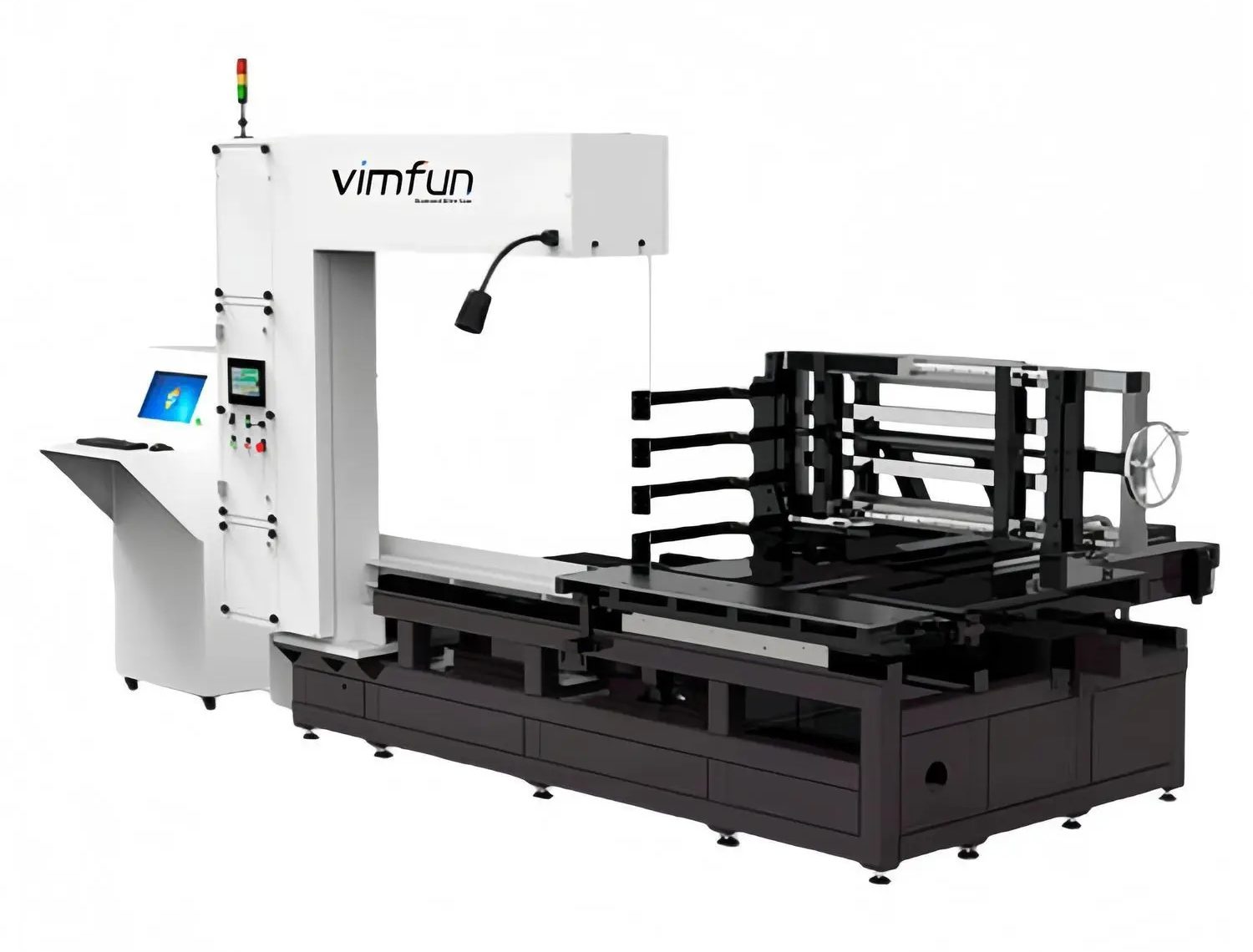
Wire-saw cutting for carbon fiber composite parts. The photograph shows a diamond-wire machine; the cutting setup is confirmed against the material and drawing.
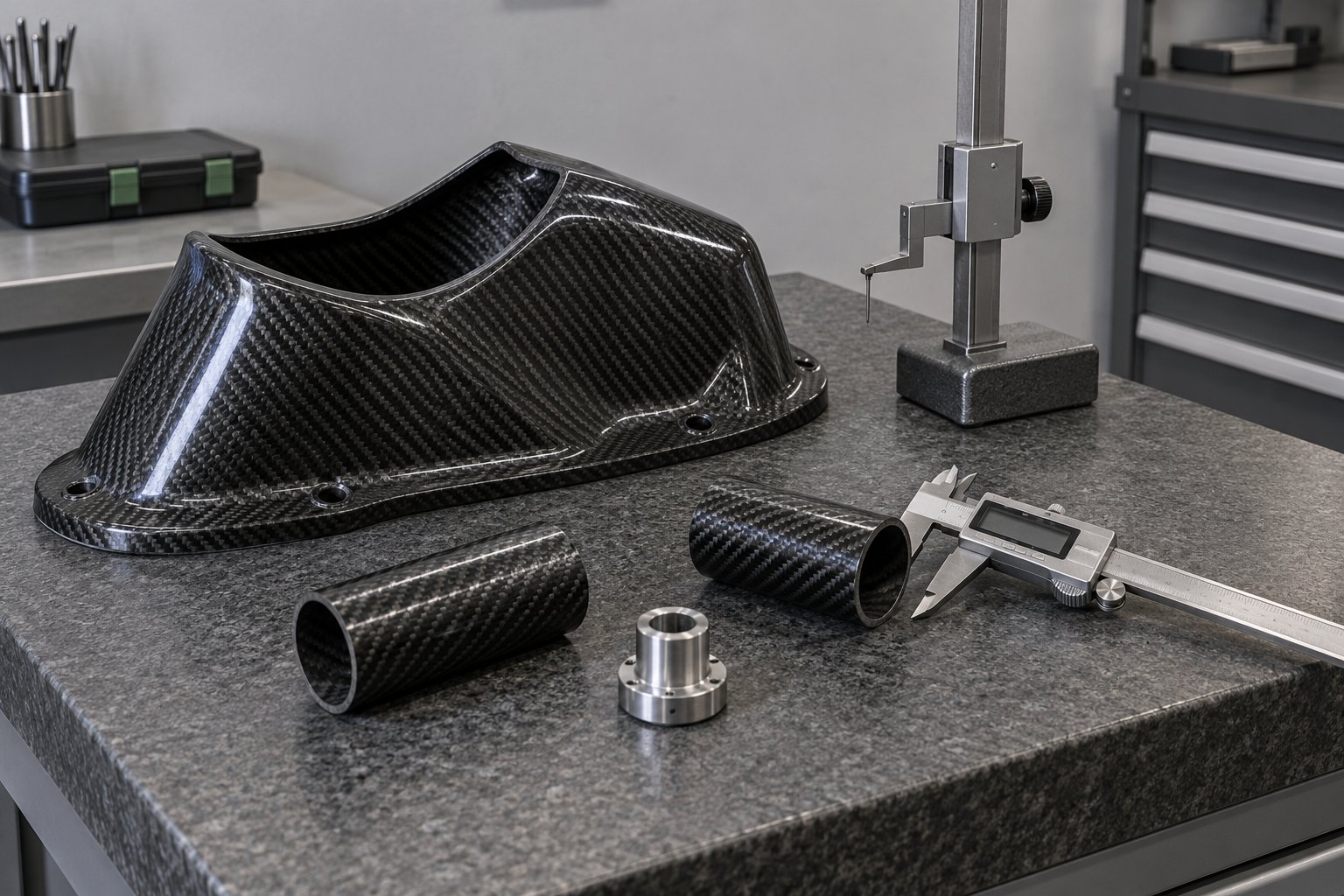
Dimensional, visual and assembly checks using sample parts and basic measuring tools.
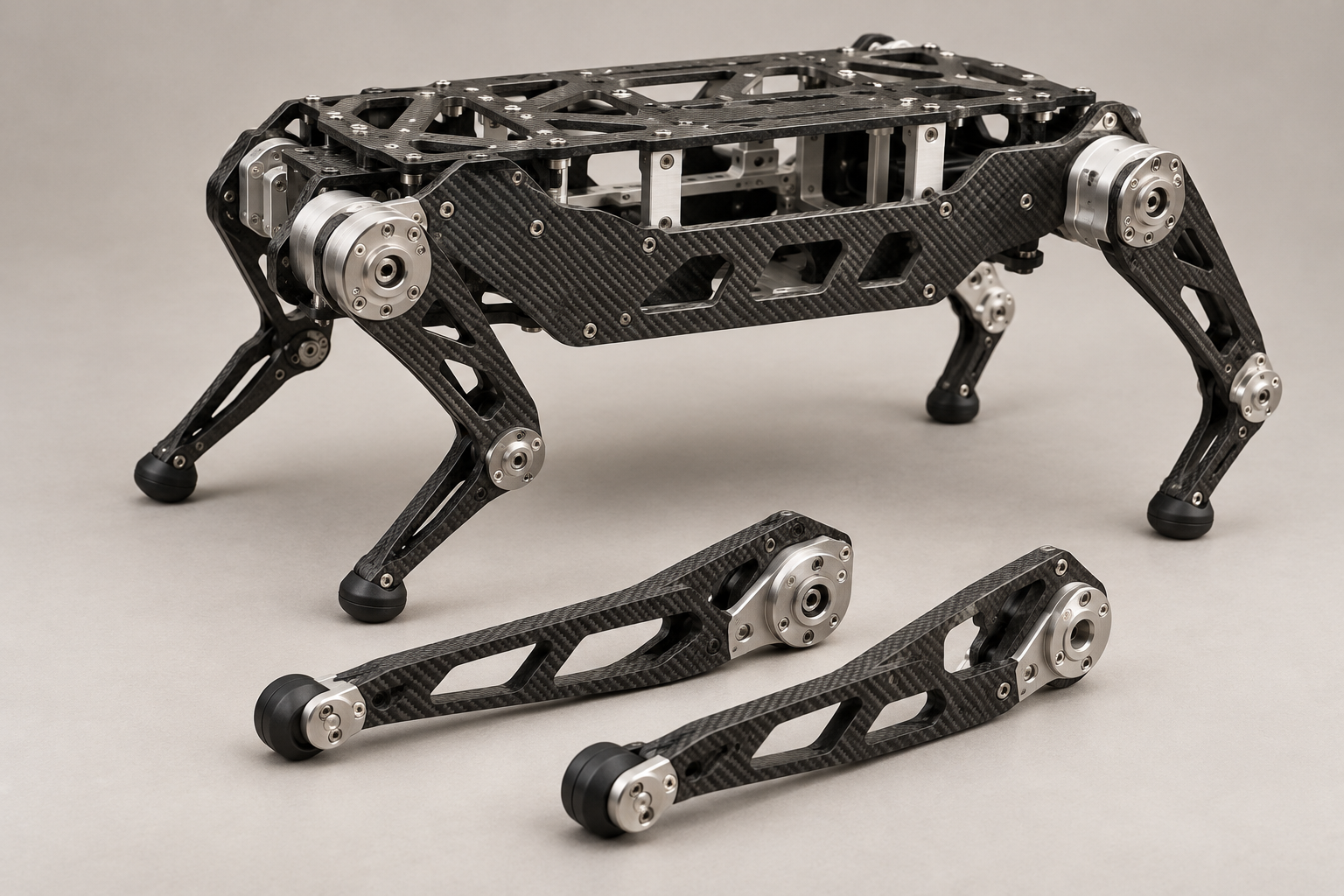
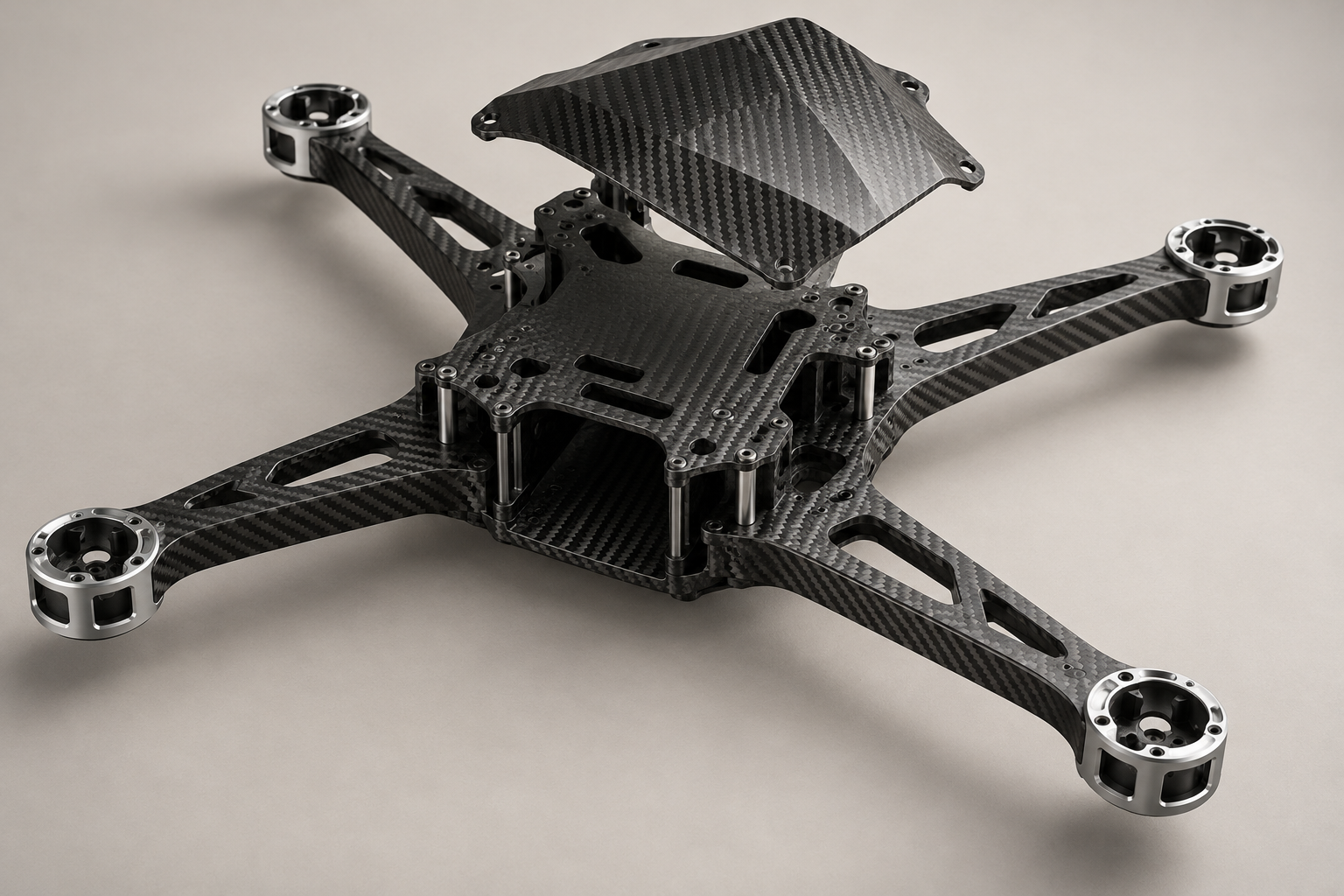
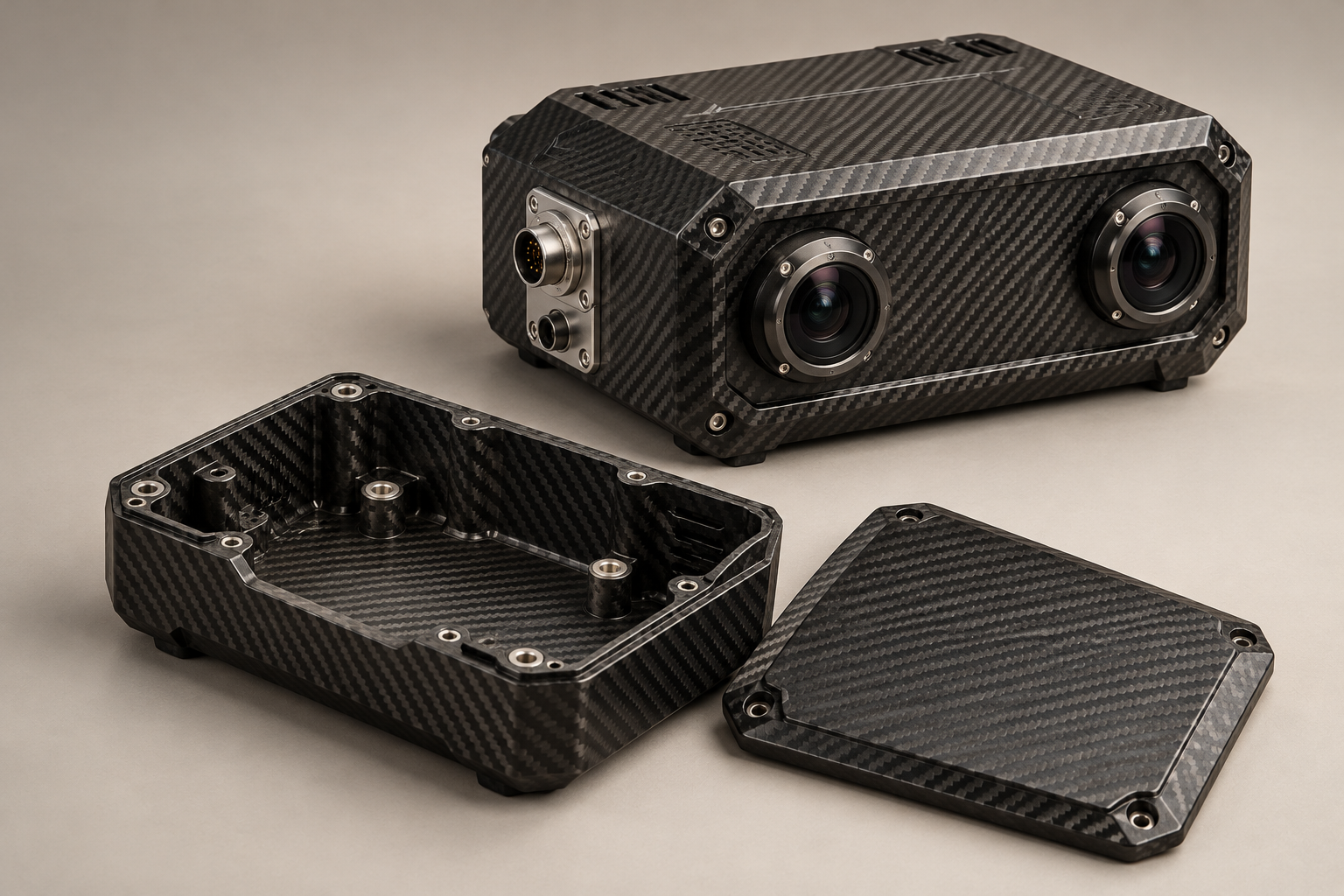
Explore design directions for robot structures, drone frames and vision enclosures.